Understanding Montessori Works
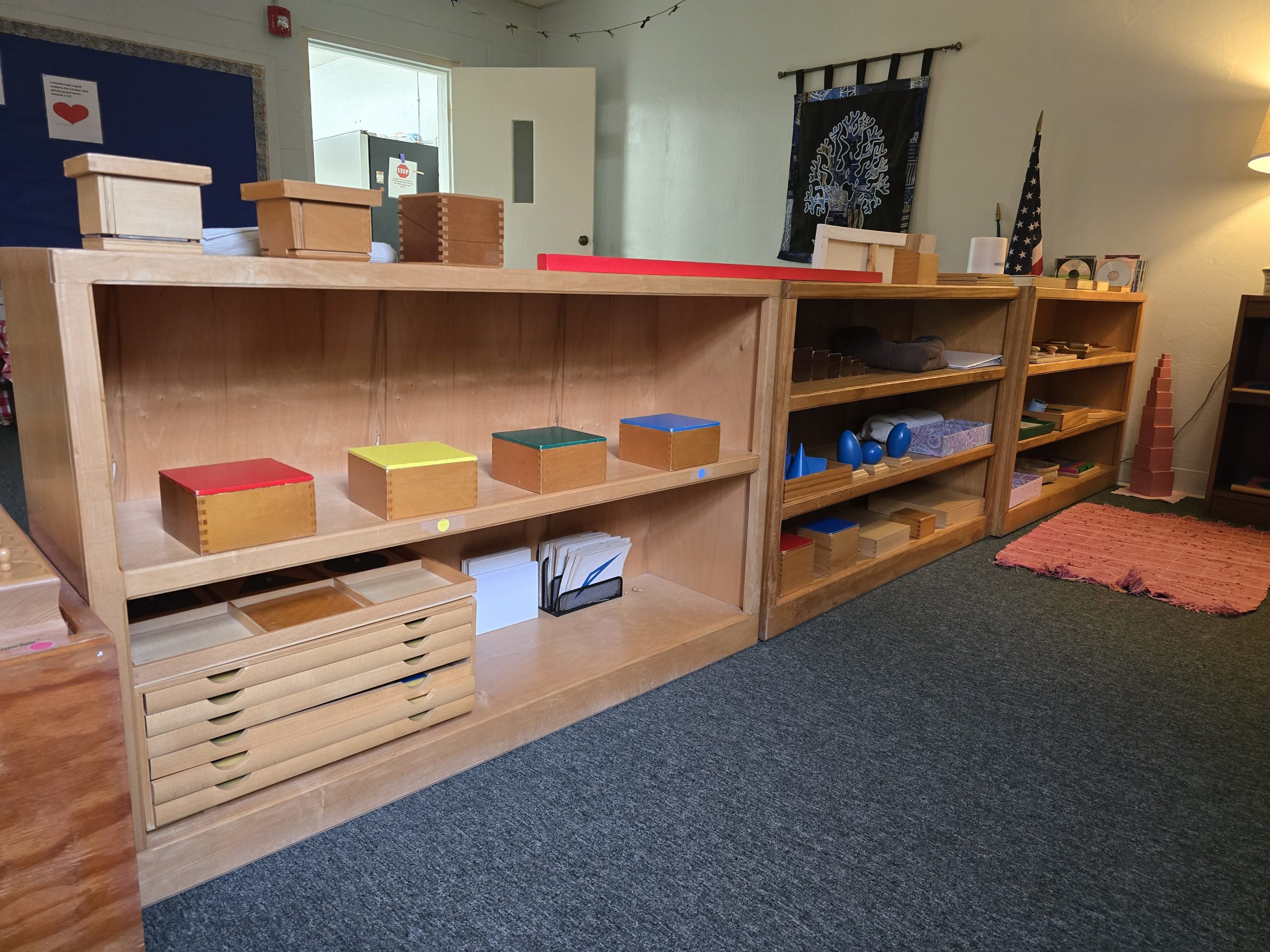
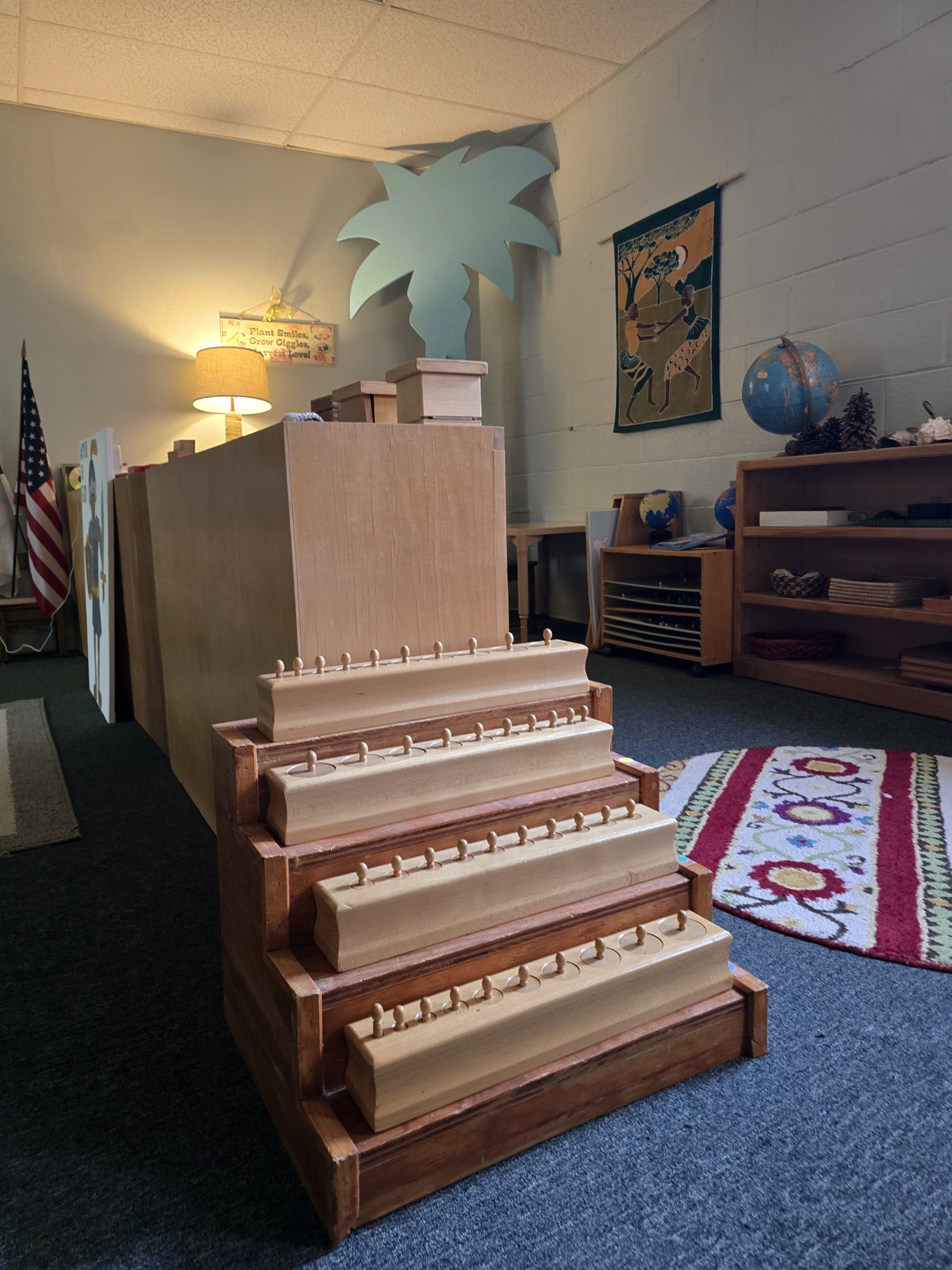
At Jubilee Academy, when you walk into one of our classrooms, you won’t see rows of desks or a teacher lecturing at a chalkboard. Instead, you will see children deep in concentration, moving purposefully toward low, open shelves filled with beautiful objects.
In a Montessori environment, we don’t call these “toys.” We call them works. While it might seem like a small distinction, this terminology reflects our deep respect for the child’s natural desire to learn, grow, and contribute to their world.
What Exactly Are Montessori “Works”?
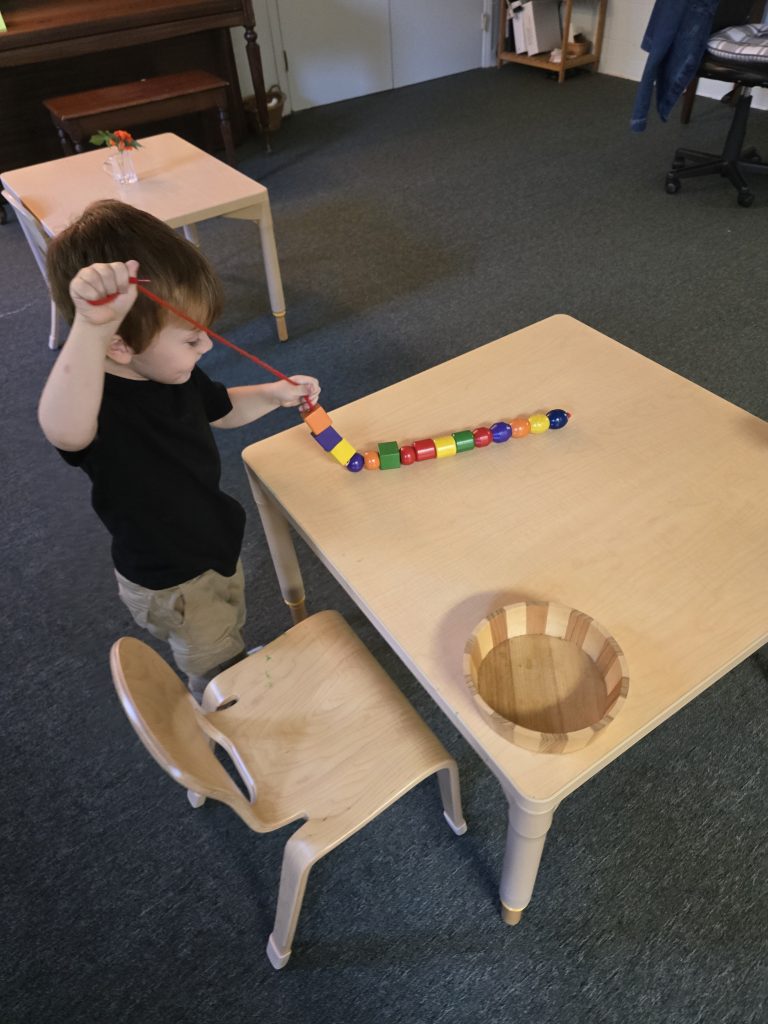
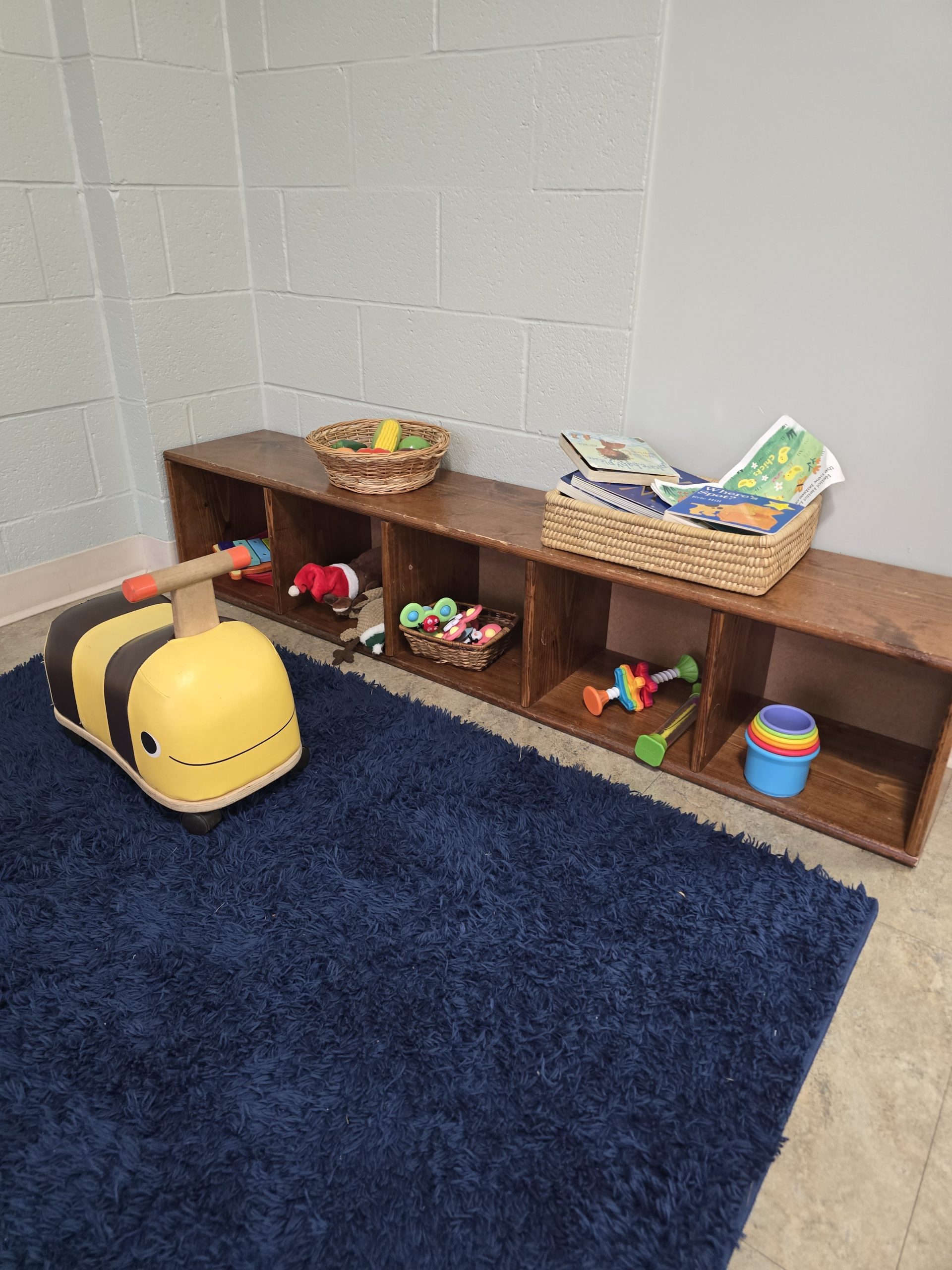
Montessori works are scientifically designed materials created to support a child’s natural development. Unlike traditional toys, which often have one fixed way to play or are designed purely for entertainment, Montessori materials are purposeful tools.
Each work is designed to isolate a single concept or skill. For example, a set of “Color Tablets” doesn’t just entertain; it helps a child refine their visual discrimination by matching or grading colors from darkest to lightest.
Why We Use These Tools
At Jubilee Academy, our mission is to turn the hearts of children toward Christ and academic excellence. We believe that children are created with an inherent dignity and a “strong mind” that flourishes when given the right environment. We use these specific tools for three primary reasons:
- Hands-On Learning: Children, especially in the early years, learn through their senses. By physically handling a “Pink Tower” or tracing “Sandpaper Letters,” they internalize abstract concepts (like size or phonics) through concrete touch.
- The Control of Error: Many Montessori works are self-correcting. If a cylinder doesn’t fit into its hole or a pitcher of water spills, the child sees the result immediately. This allows them to problem-solve independently without needing an adult to say, “That’s wrong.” It builds a healthy, courageous mind that isn’t afraid of mistakes.
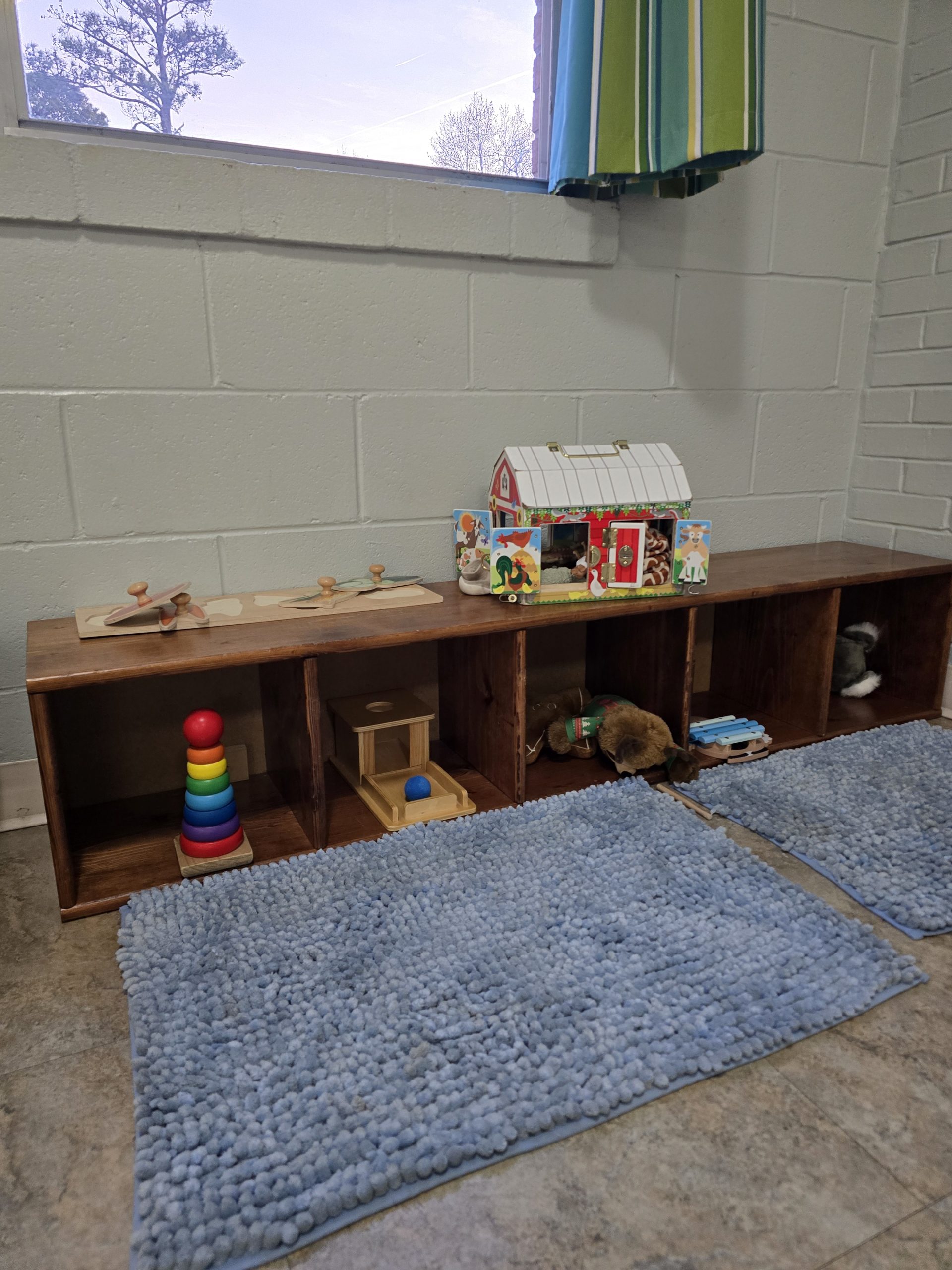
- Fostering Independence: Everything in our classroom is sized for the child. From the tiny pitchers in the toddler room to the complex math bead chains in the primary class, these tools empower children to say, “I can do it myself.”
How Works Are Presented: The Three-Step Journey
You might wonder how a child knows what to do with a tray of beads or a set of wooden maps. This happens through a very intentional process called a Presentation.
- The Invitation: A teacher (or “Guide”) observes the child to see what they are ready for. When the moment is right, the Guide invites the child: “Would you like to see how we use the Golden Beads today?”
- The Demonstration: The Guide sits beside the child and demonstrates the work with slow, precise movements and very few words. This allows the child to focus entirely on the hands and the material rather than being distracted by a long explanation.
- The Practice: Once the presentation is finished, the work belongs to the child. They are free to repeat it as many times as they like. Repetition is where true mastery—and that beautiful state of “flow” or concentration—happens.
A Foundation for Life
Whether it is a toddler learning to peel a banana or a primary student discovering the foundations of decimal place value, every “work” at Jubilee Academy is a stepping stone. These tools aren’t just teaching academics; they are cultivating discipline, order, and a lifelong love for discovery.
We invite you to come see these works in action and witness the quiet joy of a child who has found exactly what they need to grow.